What does a lens coating do?
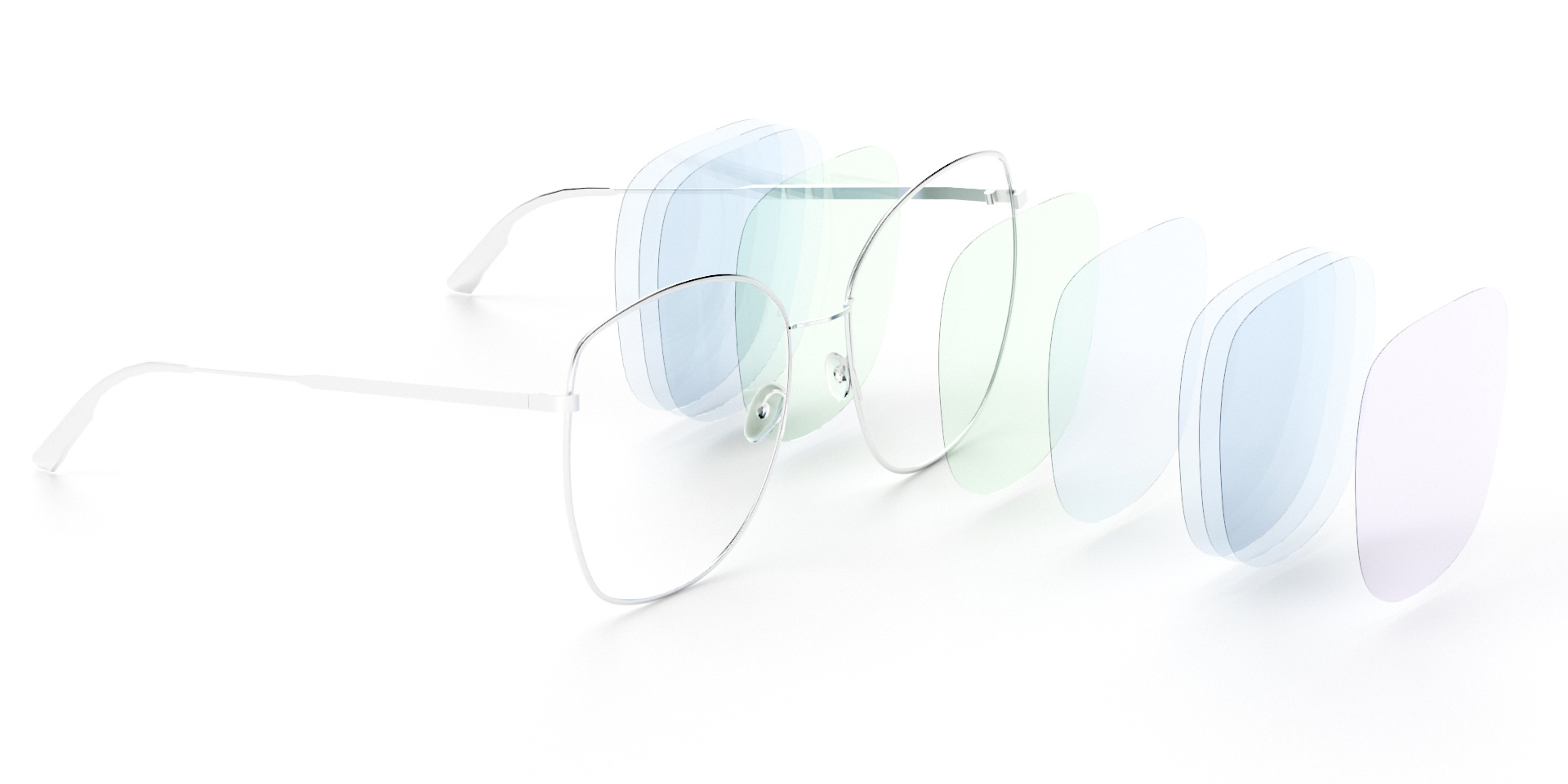
A modern spectacle lens coating can combine several very thin layers with different functions. ZEISS describes DuraVision coatings as using a hard layer, an anti-reflective stack, an anti-static layer and a water- and oil-repellent top surface. These features address surface durability, reflections, dust and cleaning rather than changing your prescription. The exact combination depends on the selected coating. An easy-clean surface still needs regular care, and a hard coating does not make a lens indestructible.
Anti-reflection and surface durability
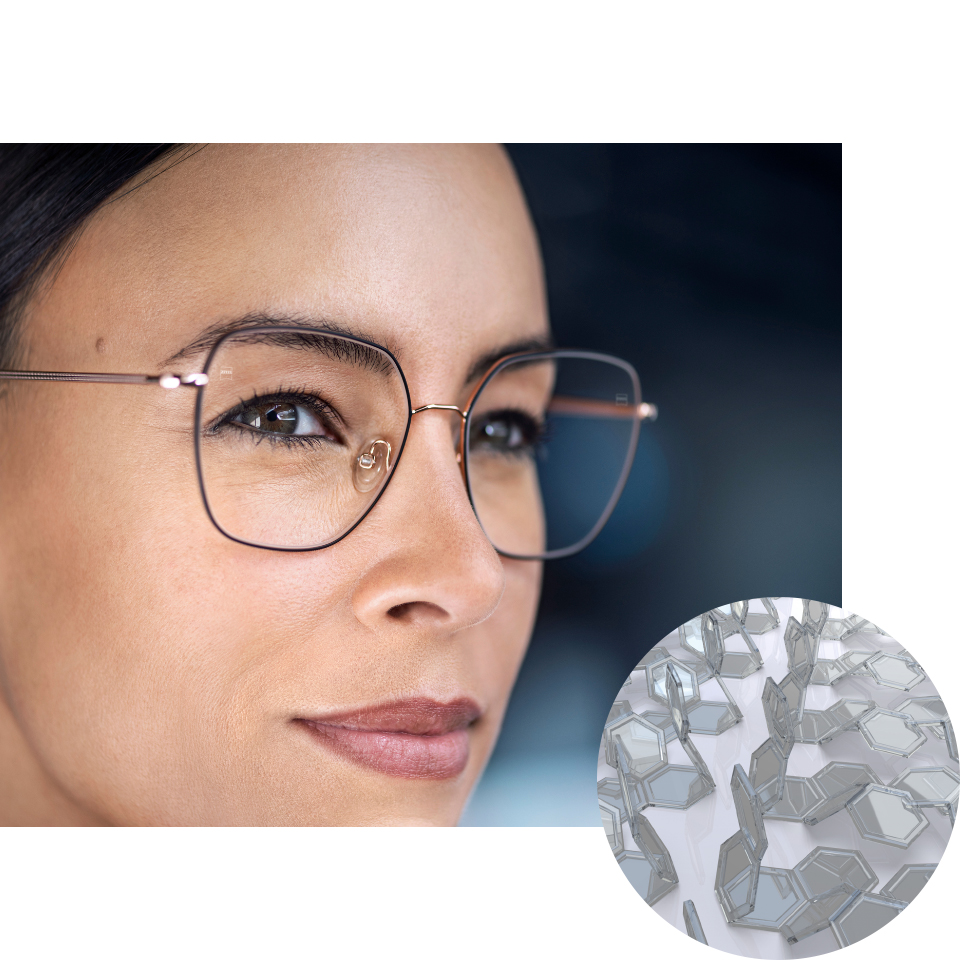
Anti-reflective coatings reduce reflections at the front and back surfaces of the lens. This can make your lenses look less reflective and allows more light to pass through them. Hard layers help strengthen the surface and reduce the likelihood of scratches during normal use. Neither feature removes every reflection or prevents every scratch. Dust and grit can still damage a coated lens if rubbed across it, so the way you clean and store your glasses remains important.
The ZEISS DuraVision Plus range
ZEISS’s current UK professional portfolio lists DuraVision Plus Gold UV, Platinum UV, Chrome UV and Kids UV among its premium anti-reflective coatings. It also lists DriveSafe UV as a functional coating, and Sun UV and Mirror UV for sunglass applications. The options differ in their specification and residual reflection appearance; Gold UV, for example, is described as having a subtle golden reflex. These are manufacturer range names, not a promise that every coating is available for every lens, prescription or material at i2i.
BlueGuard: material, not a coating
ZEISS BlueGuard is blue-light filtering technology incorporated into the lens material, whereas DuraVision refers to a coating applied to the surface. Keeping the distinction clear helps when comparing lens specifications. Blue-light filtering should not be treated as a universal answer to screen discomfort or a guaranteed way to improve sleep. Prescription, working distance, lighting and breaks all deserve consideration. We will discuss any relevant option in context rather than suggesting that every screen user needs the same lens technology.
PhotoFusion X light-reactive lenses
ZEISS PhotoFusion X is a photochromic lens option: it darkens in response to UV exposure and becomes clearer as exposure falls. It offers a way to manage changing conditions when moving between indoors and outdoors without swapping glasses every time. ZEISS describes improved darkening and clearing performance compared with earlier products, but response is not identical in every situation. Temperature, lighting and the conditions of use can affect how dark the lenses become and how quickly they change.
Light-reactive lenses and driving
A car windscreen filters much of the UV that activates conventional photochromic lenses, so you should not assume PhotoFusion X will darken fully inside a vehicle. Your experience can differ from wearing the same glasses outdoors. A dedicated prescription sunglass pair may be useful for driving or sustained bright-light conditions. Discuss your usual journeys and whether you need a fixed tint, polarised option or another suitable lens combination. No light-reactive lens should be described as replacing sunglasses in every situation.
Solid, gradient and fashion tints
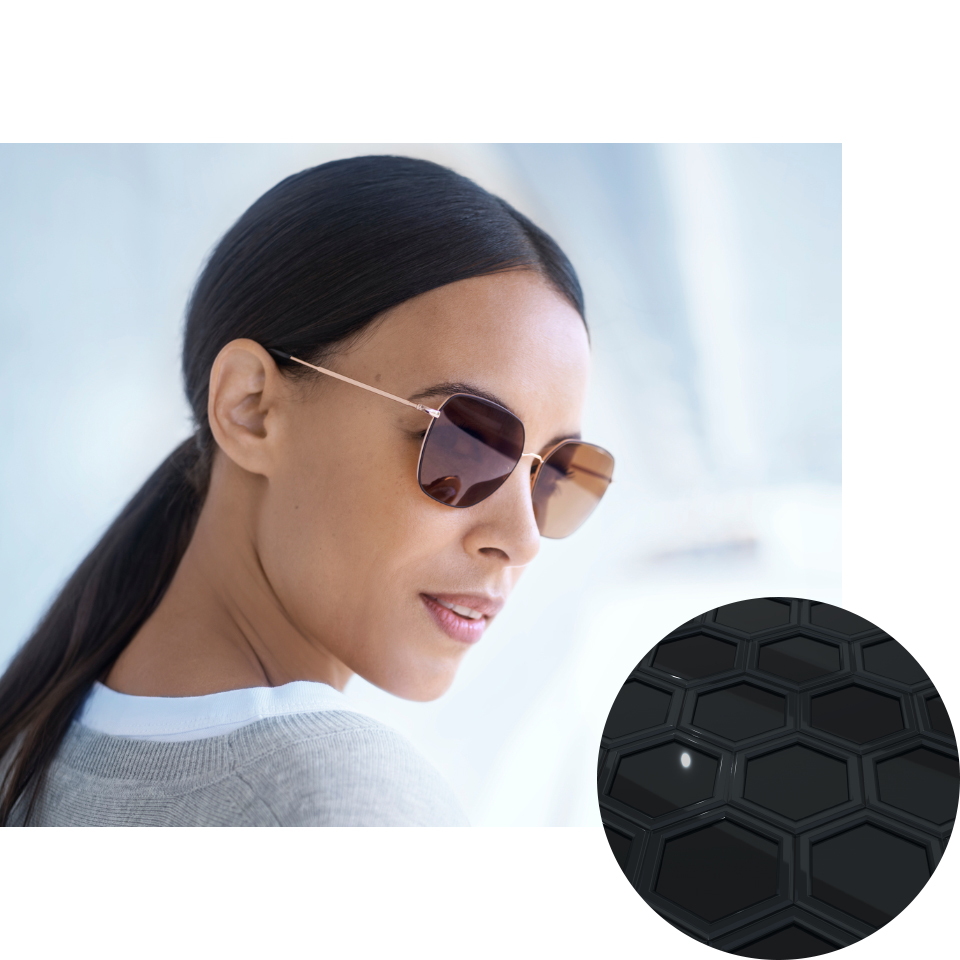
ZEISS’s prescription sunglass range includes solid and gradient tints with a choice of colours and densities. A solid tint is broadly consistent across the lens; a gradient changes from a darker area to a lighter one. Tint selection affects appearance and how much visible light reaches the eyes, and should suit the activity as well as the frame. A very dark or specialist tint is not automatically appropriate for every use, particularly driving. Available colours and combinations depend on the selected lens and prescription.
UV protection is separate from darkness
A lens can be dark without that darkness establishing its UV protection. UV filtration and visible tint are different properties, so check the specification rather than judging protection by colour alone. ZEISS states that its sunglass lenses offer UV protection up to 400 nm and also describes UV protection in clear spectacle lenses. The selected product specification still matters. Our team can explain which lens features relate to UV, which reduce visible brightness and which help with surface reflections.
Polarisation and reflected glare
Polarised sunglass lenses help reduce reflected glare, such as glare from water and road surfaces. They are different from anti-reflective surface coatings, although a lens may combine both features. Polarisation can also affect the visibility of some digital screens depending on their technology and your viewing angle. If a particular phone, dashboard or device is important to you, discuss it with our team and test visibility where possible. Polarisation is a useful option for some activities, not an automatic choice for every wearer.
Keeping your lenses in good condition
Follow the care instructions supplied with your glasses. Use suitable lens cleaner, a clean microfibre cloth or appropriate lens-cleaning wipes, rather than clothing or dry tissues that can drag particles across the surface. Remove grit carefully before wiping. Store your glasses in a protective case when not in use and avoid excessive heat, such as leaving them in a hot car. Even premium coatings can be damaged by improper cleaning or heat. Ask our team if you are unsure which cleaning products are suitable.